Roots & Wings Mental Health Fitness for Families
Building Roots for Wings to Unfold
Tag: emotional awareness
-

Why Big Feelings Aren’t Bad Behaviour Understanding Emotional Outbursts Through a Developmental Lens As children, we didn’t have control over our emotional experiences. Many of us were taught, by well‑meaning parents—to manage, suppress, or “control” our feelings rather than understand them. These approaches weren’t rooted in harm; they reflected the limited understanding we had about…
-
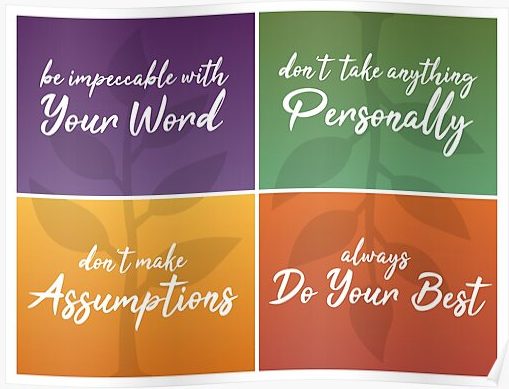
The Four Agreements is a book that has been influential since a college teacher mentioned it when I was 18. It talks about self-limiting beliefs and the agreements we make with ourselves, that are not based in truth and are often the cause of unnecessary suffering. The author Don Miguel Ruiz shares ancient Toltec wisdom…
-

Finding Points of Choice A sense of personal authority or agency refers to a feeling of control over your actions and their outcomes and consequences. You can actively build the awareness that you are interacting with your nervous system to initiate, execute, and take action, knowing life has choice points even when there are…
-

It is never too late to explore and assert our identity. We spend time looking at the why of a situation and get stuck there instead of asking how to take information from the situation to reflect on self and find ownership of beliefs and perceived or actual roles that are limiting. As adults it…
-

“Grief is one of the heart’s natural responses to loss. When we grieve, we allow ourselves to feel the truth of our pain, the measure of betrayal or tragedy in our life. By our willingness to mourn, we slowly acknowledge, integrate, and accept the truth of our losses. Sometimes the best way to let go…
-

The idea that it is abnormal to have unwanted, inappropriate thoughts can harm people’s mental health.
-

We cannot simultaneously set a boundary and take care of another person’s feelings. When we know what creates our negative feelings and responses, we can use boundaries to manage relationships and ask for our needs to be met. An internal boundary is like an invisible shield preventing us from compromising our emotional, physical and spiritual…
-
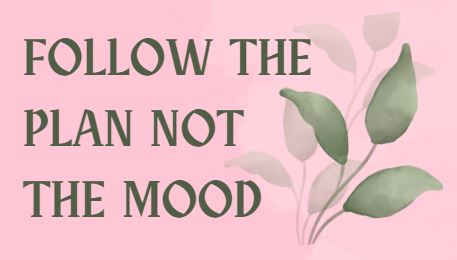
Our nervous system is made to be a guide and is designed to be automatic in its perception of protecting our survival, real or imagined. Emotions are meant to be experienced to process experiences – good and bad. Stressors are meant to be relieved – not exacerbated. It is valuable to make a written plan…
-

What Are Safety Behaviours? Safety behaviours are the protective actions we take even when they are unnecessary. They are like protective sidekicks, always ready to shield us from discomfort, fear, or embarrassment – even when they’re disproportionate and not needed. What do I need to know? – Safety behaviours quietly and unconsciously reinforce anxiety. Examples…